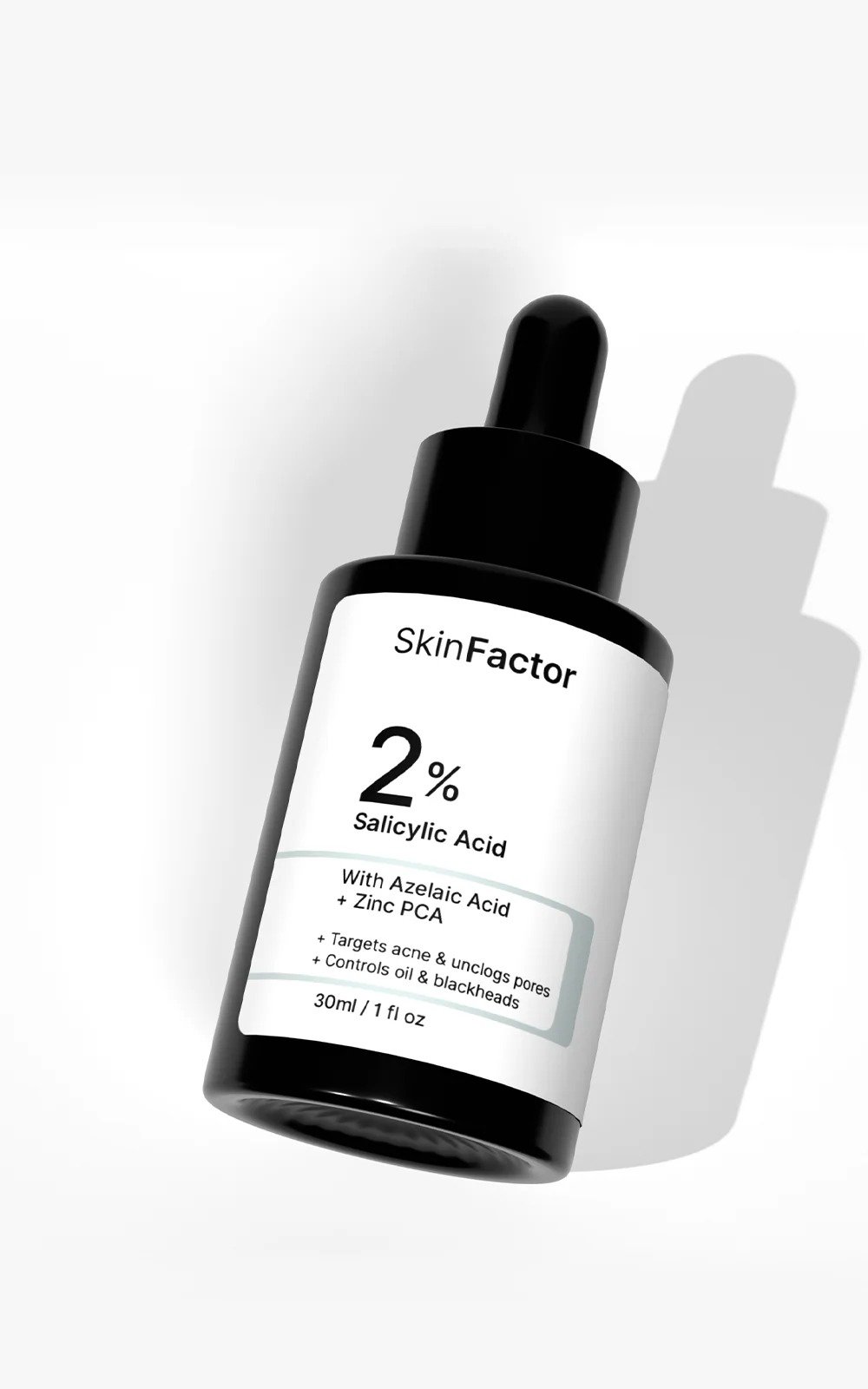

Salicylic acid has earned its place as one of the most trusted ingredients in modern skincare, particularly for those dealing with oily skin, acne, blackheads, and clogged pores. Available in serums, cleansers, and spot treatments, it’s a beta-hydroxy acid (BHA) known for its ability to work inside the pore rather than just on the skin’s surface. This article covers what salicylic acid serum is used for and, just as importantly, how to properly implement it into a daily routine for the best results with the least irritation.
What Is Salicylic Acid?
This unique ability to work inside pores, not just on top of skin, is what makes salicylic acid especially effective for oily and acne-prone skin types, compared to many other exfoliating acids.
Primary Uses of Salicylic Acid Serum
1. Treating and Preventing Acne
Because most acne begins with a blocked pore, Salicylic acid Serum ability to clear that blockage from within makes it one of the most effective ingredients for both treating active breakouts and preventing new ones from forming.
2. Reducing Blackheads and Whiteheads
Blackheads and whiteheads are both forms of clogged pores — one open and oxidized, one closed beneath the skin. Regular use of salicylic acid helps dissolve the trapped material before it fully hardens into a visible blemish.
3. Controlling Oily Skin
By keeping pores clear and reducing the buildup of oxidized sebum, salicylic acid serums can help minimize the appearance of excess shine throughout the day.
4. Minimizing the Appearance of Pores
Pores often look larger when stretched by trapped debris. As congestion clears and skin texture improves, pores can appear smaller and less noticeable.
5. Smoothing Skin Texture
Beyond acne, consistent exfoliation helps smooth rough, bumpy, or congested skin texture, giving the complexion a more even, refined appearance.
6. Calming Inflammation
Salicylic acid has mild anti-inflammatory properties, which can help reduce the redness and swelling that often accompanies active breakouts.
7. Fading Post-Acne Marks
With consistent use over time, the encouragement of healthier cell turnover can help gradually fade the dark marks and discoloration that acne often leaves behind.
How to Implement Salicylic Acid Serum in Your Routine
Knowing what salicylic acid does is only half the equation — how you introduce and use it matters just as much for getting good results without unnecessary irritation.
Step 1: Choose the Right Concentration
Most salicylic acid serums range from 0.5% to 2%. For general maintenance or sensitive skin, lower concentrations (0.5%–1%) are gentler starting points. For more stubborn acne or oily skin, a 2% concentration is generally considered the clinically effective strength, though it also carries a higher chance of initial dryness or irritation if introduced too quickly.
Step 2: Patch Test First
Before applying any new active ingredient to your full face, apply a small amount to your inner arm or jawline and wait 24 hours to check for excessive redness, itching, or irritation.
Step 3: Cleanse Before Application
Start with a gentle, pH-balanced cleanser to remove dirt, oil, and makeup. Avoid harsh, foaming cleansers that strip the skin, as this can worsen sensitivity once the acid is applied.
Step 4: Apply to Dry Skin
Salicylic acid serums are generally most effective — and best tolerated — when applied to completely dry skin rather than damp skin, since damp skin can increase both absorption and irritation risk. Use a few drops and gently pat or press it into the skin rather than rubbing.
Step 5: Start Slow and Build Gradually
If you’re new to salicylic acid, begin with 2–3 applications per week, ideally at night. Over several weeks, gradually increase frequency to nightly use if your skin tolerates it well. Jumping straight to daily use can lead to excessive dryness, flaking, or a compromised skin barrier.
Step 6: Moisturize Afterward
Because exfoliating acids can be drying, always follow with a moisturizer suited to your skin type. Ingredients like ceramides, hyaluronic acid, and niacinamide help maintain hydration and support the skin barrier while the acid does its work.
Step 7: Apply Sunscreen Every Morning
Salicylic acid — like most exfoliating acids — increases the skin’s sensitivity to UV exposure. A broad-spectrum sunscreen of at least SPF 30 is essential every day it’s used, even indoors or on cloudy days, to prevent sun damage and worsening of post-acne marks.
Step 8: Avoid Overlapping with Other Strong Actives Initially
When starting out, avoid layering salicylic acid with other potent actives like retinol, vitamin C, or additional exfoliating acids in the same routine, as this increases the risk of irritation. Once your skin has built tolerance, these can often be alternated on different nights, ideally with guidance from a dermatologist.
Signs You May Be Overusing It
Watch for excessive dryness, peeling, redness, stinging, or a tight, uncomfortable feeling after application. These are signs to scale back frequency, allow your skin to recover, and reintroduce more gradually.
Who Should Be Cautious
Those with very dry, sensitive, or compromised skin barriers should approach salicylic acid slowly and in lower concentrations. It’s also generally advised that pregnant or breastfeeding individuals consult a doctor before using salicylic acid products, and anyone with a known aspirin allergy should avoid it altogether.
See also: Finding the Right Professionals for Your Home or Business
Final Thoughts
Salicylic acid serum is one of the most versatile and effective tools available for managing oily skin, acne, blackheads, and clogged pores. Its real strength lies not just in the ingredient itself, but in how it’s implemented — proper concentration, gradual introduction, consistent moisturizing, and diligent sun protection all play a role in determining whether the results are smooth, clear skin or unnecessary irritation. With patience and a well-structured routine, most people begin to see visible improvements in texture, breakouts, and pore clarity within four to eight weeks of consistent use.