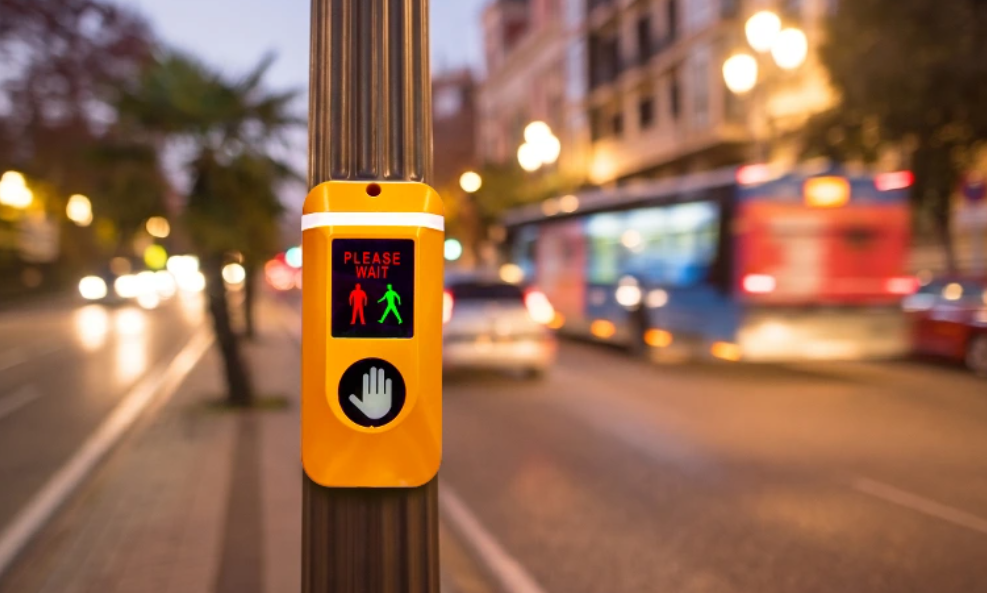

Transportation systems have changed dramatically over the past century as cities have grown, technology has advanced, and the needs of communities have evolved. Among the many elements of urban infrastructure, pedestrian safety has remained a constant priority. The way people cross roads has moved from simple painted markings to advanced systems designed to improve safety, efficiency, and accessibility. This transformation shows how the pedestrian crossing has evolved from a basic road feature into an important part of smart mobility solutions.
In the early stages of urban development, road crossings were often designed with limited consideration for the growing number of vehicles and pedestrians. As traffic volumes increased, cities began introducing signals, signs, and dedicated crossing areas to create safer movement patterns. These improvements helped establish more organized interactions between pedestrians and drivers.
Today, modern cities are adopting intelligent transportation technologies that allow pedestrian crossing systems to become more responsive and connected. Through innovation, these systems are helping create safer streets while supporting the development of smarter and more efficient urban environments.
The Early Development of Pedestrian Crossing Systems
The earliest forms of pedestrian crossings were relatively simple.
Painted road markings and designated crossing areas were introduced to provide pedestrians with safer locations to move across streets. These basic systems helped create awareness among drivers and encouraged more organized road behavior.
However, as cities expanded and vehicle numbers increased, these traditional methods became less effective in managing complex traffic conditions.
The need for better control systems led to the development of more advanced crossing solutions.
See also: Finding the Right Professionals for Your Home or Business
The Introduction of Traffic Signals
Traffic signals represented a major improvement in road management.
By controlling the movement of vehicles and pedestrians, signals helped reduce confusion at busy intersections. They created clear instructions for when people could cross safely and when vehicles could continue moving.
This development significantly improved urban safety and became a standard feature in many cities around the world.
Traffic signals marked an important step toward more organized transportation systems.
Moving Beyond Fixed-Time Crossing Systems
Traditional pedestrian signals often operated according to fixed schedules.
While these systems improved safety, they did not always respond to actual pedestrian demand. At certain times, people might wait unnecessarily, while at other times, crossing opportunities might not match real usage patterns.
As technology developed, cities began exploring more flexible solutions.
Modern systems aim to respond more effectively to changing conditions and user requirements.
The Rise of Smart Mobility Technologies
Smart mobility has transformed the way cities manage transportation.
Connected systems, sensors, data analysis, and automation are helping create more intelligent infrastructure.
Pedestrian crossing technology is becoming part of this transformation by allowing better communication between users and transportation networks.
These developments are improving safety while making urban movement more efficient.
Improving Safety Through Intelligent Systems
Safety remains the primary purpose of pedestrian infrastructure.
Modern crossing systems are designed to reduce risks by providing clearer signals, improved visibility, and better coordination between road users.
Technology allows cities to monitor movement patterns and develop solutions that match real-world needs.
Smarter systems help create safer environments for both pedestrians and drivers.
Supporting Accessibility and Inclusive Mobility
Modern transportation planning focuses on making cities accessible for everyone.
People of different ages and abilities may have different mobility requirements when crossing roads.
Advanced crossing solutions are designed to support wider community needs by improving usability and convenience.
Inclusive mobility ensures that public spaces remain accessible to all users.
Integration With Smart City Infrastructure
Smart cities rely on connected technologies to improve daily life.
Transportation networks are becoming more integrated through digital systems that collect information and improve decision-making.
Pedestrian crossing solutions can work alongside other smart infrastructure components to create more efficient urban environments.
This integration represents the future direction of city transportation.
The Role of Data in Future Crossing Systems
Data is becoming increasingly important in transportation planning.
Information about pedestrian movement, traffic patterns, and road usage can help cities make better decisions.
Future crossing systems may use real-time data to improve timing, safety, and efficiency.
Data-driven approaches will continue shaping the evolution of urban mobility.
Benefits for Modern Urban Communities
Advanced crossing systems provide benefits beyond safety.
They help improve accessibility, encourage walking, and support better use of public spaces.
When people feel confident navigating streets, cities become more connected and comfortable.
Improved pedestrian infrastructure contributes to a better quality of urban life.
Preparing for Future Transportation Challenges
Cities will continue facing new transportation challenges as populations grow and mobility needs change.
Future infrastructure must be flexible enough to adapt to these developments.
Smart pedestrian solutions provide opportunities to create transportation networks that are safer, more efficient, and more sustainable.
Innovation will remain essential for improving urban mobility.
The Future of Pedestrian Crossing Technology
The next generation of crossing systems will likely involve greater automation and connectivity.
Advanced technologies may improve communication between vehicles, pedestrians, and infrastructure.
These developments will help create transportation environments that respond more effectively to human needs.
The evolution of pedestrian systems will continue as cities move toward smarter mobility.
Final Thoughts
The journey from traditional road markings to intelligent mobility solutions shows how transportation infrastructure continues adapting to modern challenges. Pedestrian safety has always been a major concern, but technological progress is allowing cities to create more responsive and efficient systems.
The development of the pedestrian crossing reflects the broader evolution of urban transportation. From basic signals to smart infrastructure, these systems are becoming an essential part of future mobility by improving safety, supporting accessibility, and helping cities build more connected transportation networks.