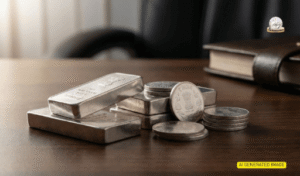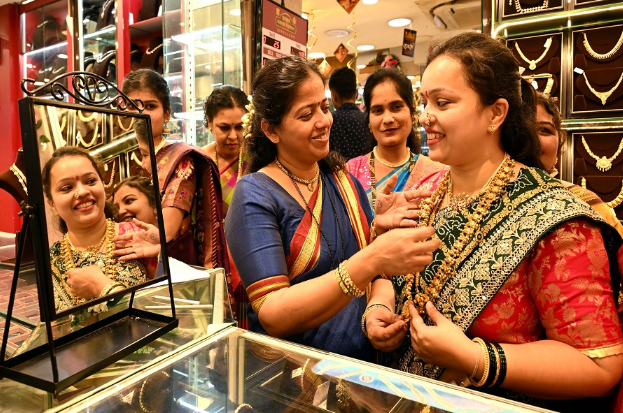

It’s fascinating to observe the subtle yet significant shifts in cultural tastes, especially when it comes to something as deeply ingrained as jewelry in India. For generations, gold has been the undisputed monarch of the jewelry box, a symbol of wealth, tradition, and auspiciousness. Yet, a quiet revolution has been unfolding, with silver jewelry steadily climbing the ranks, capturing the imagination and wallets of a new generation. This isn’t just a fleeting trend; it’s a reflection of evolving lifestyles, aesthetic preferences, and a broader shift in consumer values. The allure of silver lies in its unique blend of tradition and modernity, its ability to adapt and transform, much like the dynamic landscape of contemporary Indian Jewelry itself. From bustling city streets to vibrant online marketplaces, silver is no longer merely a secondary option but a primary choice, celebrated for its distinct charm and versatility. It speaks to a desire for personal expression that moves beyond conventional boundaries, embracing a more fluid and individualistic approach to adornment.
The versatility and affordability of silver
One of the most compelling reasons behind silver’s surge in popularity is its inherent versatility. Unlike gold, which often carries a certain gravitas and formality, silver effortlessly transitions between roles. It can be understated and elegant for daily wear, making a subtle statement in a professional setting. Yet, with the right design and craftsmanship, it can transform into a show-stopping piece for a grand celebration, rivaling the splendor of more precious metals. This adaptability makes it a perfect companion for the modern Indian woman, whose wardrobe likely spans traditional ethnic wear, contemporary Western outfits, and an increasing array of fusion styles. Consider a delicate silver chain with a minimalist pendant, perfectly complementing a crisp white shirt for an office presentation. Then picture an ornate, oxidized silver necklace paired with a vibrant Kanjivaram saree for a wedding reception. The same metal, entirely different expressions. This chameleon-like quality allows individuals to curate a diverse collection without committing to the significant investment often associated with gold. It encourages experimentation, enabling fashion-conscious consumers to refresh their look frequently without breaking the bank. Beyond its aesthetic flexibility, affordability plays a crucial role in silver’s widespread appeal. In an economy where discretionary spending is carefully considered, silver offers an accessible entry point into the world of fine jewelry. It allows consumers to own multiple pieces, mix and match, and stay current with fashion trends without the financial pressure. This economic advantage positions silver as a smart choice for those who appreciate beauty and craftsmanship but also value practicality. It democratizes luxury, making stylish adornment attainable for a broader demographic. This shift isn’t just about cost-saving; it’s also about a changing mindset. Consumers are increasingly valuing design and personal style over the intrinsic material value alone. As insights from Think with Google often highlight, today’s consumers are highly informed and make purchasing decisions based on a complex interplay of factors, including value, utility, and emotional connection. Silver, with its artistic potential and reasonable price point, ticks many of these boxes. It allows for creative freedom in design, from intricate filigree work to bold, sculptural forms, all at a price that encourages spontaneous purchases and collection building. Furthermore, the conversation around sustainability is quietly influencing purchasing habits. While not always explicitly marketed this way, silver, particularly when sourced responsibly, can be seen as a more sustainable choice compared to some other mining-intensive materials. Its durability means pieces can last for generations, and silver itself is a highly recyclable metal. This aligns with a growing consumer consciousness that values longevity and reduced environmental impact, adding another layer of appeal for those seeking more mindful consumption patterns.
Top silver jewelry designs for the modern woman
The design landscape for silver jewelry is as diverse and dynamic as India itself, continually evolving to meet the demands of the modern woman. From subtle everyday elegance to bold statement pieces, silver offers a canvas for endless creativity, making it a favorite for those who value unique expression. One prominent trend is the rise of minimalist silver designs. Think delicate layering necklaces, slender bangles, and tiny stud earrings. These pieces are characterized by clean lines, understated elegance, and a focus on form rather than excessive embellishment. They are perfect for daily wear, office environments, and for those who prefer a refined, subtle sparkle. This aesthetic aligns perfectly with the global movement towards less-is-more, allowing the wearer’s personality to shine through. On the other end of the spectrum, oxidized silver jewelry continues to captivate. With its antique finish and often intricate detailing, oxidized silver has a rustic, bohemian charm that resonates deeply. It’s often adorned with semi-precious stones, ghungroos (small bells), and traditional motifs, making it ideal for ethnic wear, festive occasions, and adding a touch of vintage allure to contemporary outfits. These pieces often tell a story, reflecting the rich heritage of Indian Jewelry with a modern twist. The appeal of oxidized silver also lies in its ability to complement vibrant colors and textures, making it a staple for those who embrace bold fashion choices. Another significant area of growth is in fusion designs. This category brilliantly blends traditional Indian craftsmanship with contemporary global aesthetics. Imagine a silver choker featuring traditional temple jewelry motifs, but styled with a Western-inspired gown, or delicate silver earrings with tribal influences paired with a modern tunic. These designs cater to a generation that navigates multiple cultural identities, seeking jewelry that reflects their multifaceted lives. Many of these unique pieces fall under the umbrella of Handmade Jewelry, where artisans pour their skill and creativity into crafting distinctive items that stand out from mass-produced alternatives. The appeal of Handmade Jewelry lies in its individuality and the story behind each piece, adding a layer of personal connection for the wearer. The integration of gemstones is also a key trend. Silver provides a beautiful, neutral backdrop for a myriad of colored stones, from vibrant turquoises and deep amethysts to sparkling zircons and moonstones. This allows for personalized expressions and the creation of pieces that can be matched to specific outfits or moods. The combination of silver and gemstones offers a luxurious feel without the prohibitive cost of gold and precious gems, making sophisticated designs more accessible. Embracing silver as a sustainable choice in jewelry is not just a passing thought; it’s becoming an integral part of the purchasing decision for many. As the Meta Business Blog frequently discusses, consumers are increasingly aligning their spending with their values. Silver, with its inherent durability and potential for recycling, offers a tangible way to make more conscious choices. Many designers are also focusing on ethical sourcing and traditional, low-impact production methods for their Handmade Jewelry, further enhancing silver’s appeal as a responsible choice. Choosing silver often means investing in timeless pieces that can be cherished for years, passed down, and even repurposed, contributing to a circular economy in fashion. This conscious consumption isn’t about deprivation; it’s about making thoughtful choices that reflect a commitment to quality, longevity, and a better future.
See also: Fire Risk Assessment for Residential and Commercial Premises
Key Takeaways
* Silver jewelry’s popularity in India is driven by its versatility, affordability, and ability to adapt to diverse fashion sensibilities. * It empowers modern consumers to express personal style through a wide range of designs, from minimalist to ornate, without significant financial commitment. * The rise of oxidized, fusion, and gemstone-integrated silver designs caters to evolving aesthetic preferences and a desire for unique expression. * Silver is increasingly seen as a sustainable choice in jewelry, aligning with growing consumer consciousness around ethical sourcing and longevity. * The shift towards silver reflects broader economic and cultural changes, democratizing luxury and prioritizing design and personal connection over traditional material value.
Conclusion
The growing embrace of silver jewelry in India is more than a fleeting fashion statement; it’s a testament to a changing landscape of consumer values and aesthetic preferences. As individuals seek authentic expression, sustainable choices, and accessible luxury, silver stands out as a metal that beautifully marries tradition with modernity. Its journey from a secondary option to a primary choice underscores a dynamic evolution in how we adorn ourselves, promising a future where versatility, conscious consumption, and personal style continue to shape the shimmering world of jewelry.